

10 Jobs You Can Finish Faster with a Skid Steer Loader
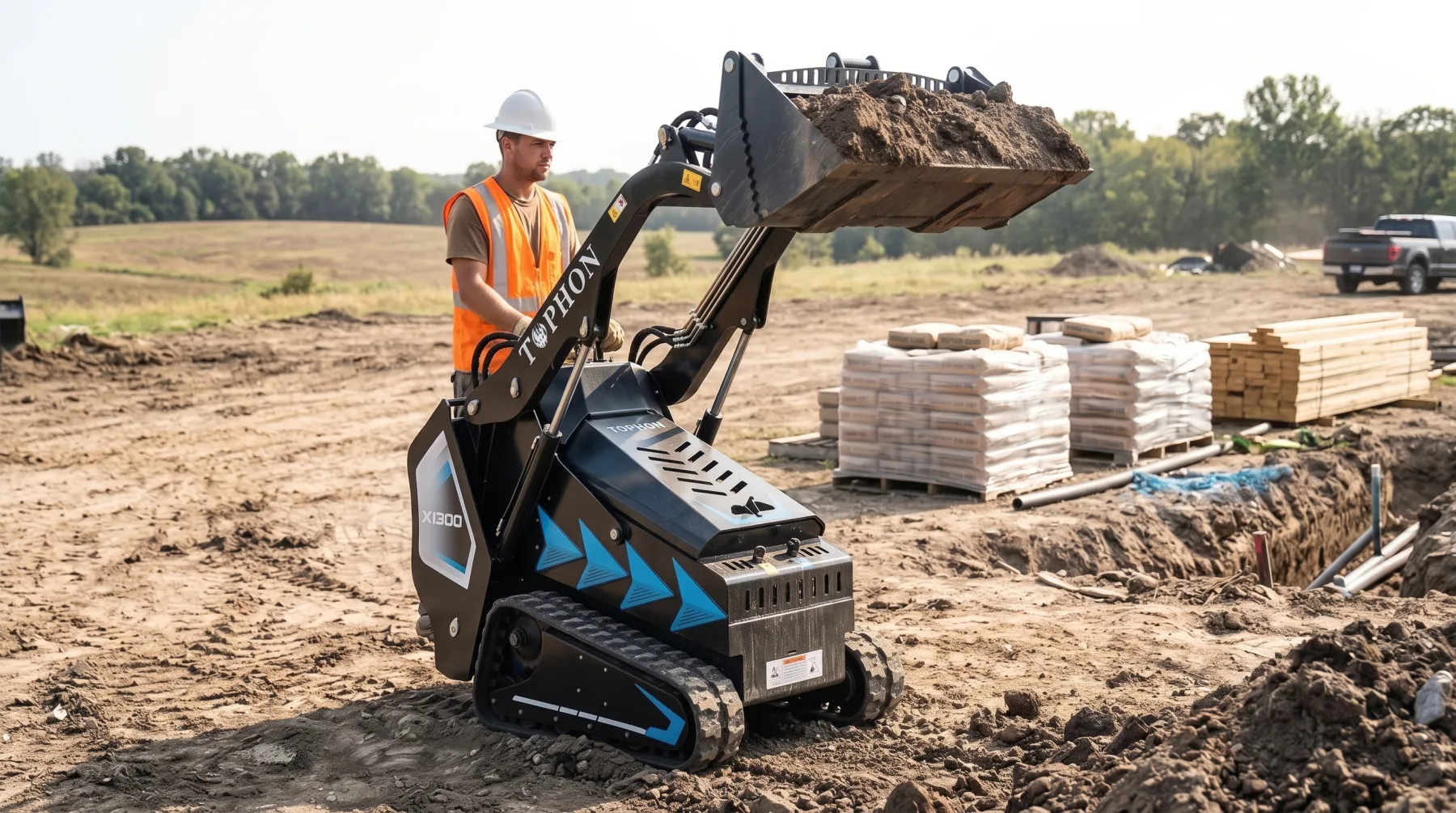
The to-do list keeps growing, but the crew keeps shrinking and the daylight runs out fast. Clearing brush, hauling gravel, drilling post holes, and moving pallets by hand can swallow an entire week, and every hour spent on manual labor is an hour you’re not billing or building. A skid steer loader changes that math. Swap an attachment, and the same compact machine tackles a dozen different jobs, finishing in an afternoon what a crew struggles with for days.
This guide walks through 10 common jobs a skid steer loader handles faster, and the attachment that makes each one possible. Whether you’re a contractor chasing deadlines, a landowner managing acreage, or a property manager juggling a full site, you’ll see exactly where this machine saves you time, labor, and money. Let’s get into the work.
1. Land Clearing
Overgrown lots can delay every stage of a project if they are not cleared efficiently. Thick brush, tall grass, saplings, fallen branches, and scattered debris make it difficult to access the site and prepare it for construction, landscaping, or farming. Clearing this material by hand with chainsaws, trimmers, and manual tools is slow, labor-intensive, and physically demanding, often requiring several workers and many days of effort before the actual project can begin.
A skid steer equipped with a brush cutter or forestry mulching attachment quickly transforms dense vegetation into manageable mulch in just a few passes, eliminating the need to haul away large amounts of organic waste. When larger logs, stumps, or heavy debris need to be moved, a grapple bucket provides the gripping power to collect, stack, and transport materials with ease. Instead of relying on multiple machines or extensive manual labor, one skid steer can handle the entire land-clearing process efficiently, helping you prepare the site faster while reducing labor costs.
takeaway: Work that can take a crew nearly a week using chainsaws, brush cutters, and hand tools can often be completed in a single day with the right skid steer and attachments.
2. Grading and Leveling
Uneven ground can lead to poor drainage, unstable foundations, and uneven surfaces that create problems long after the project is finished. Trying to level an area with rakes and shovels takes considerable time and effort while making it difficult to achieve consistent results.
A skid steer equipped with a grading or box blade attachment quickly cuts high spots, fills low areas, and creates a smooth, level surface in fewer passes. For projects that require greater accuracy, a laser-guided grading box helps produce precise slopes and a professional finish with minimal rework.
takeaway: A driveway or building pad that would take days by hand levels out in hours.
3. Snow Removal
When a storm covers your property with snow overnight, clearing it by hand is slow, exhausting, and can delay business operations. Tenants, customers, employees, and delivery vehicles all need safe, clear access as quickly as possible to keep the day running smoothly.
A skid steer with a snow pusher, bucket, or angle blade clears parking lots, driveways, and access roads quickly. Add a snow blower attachment for deep drifts and tight spaces.
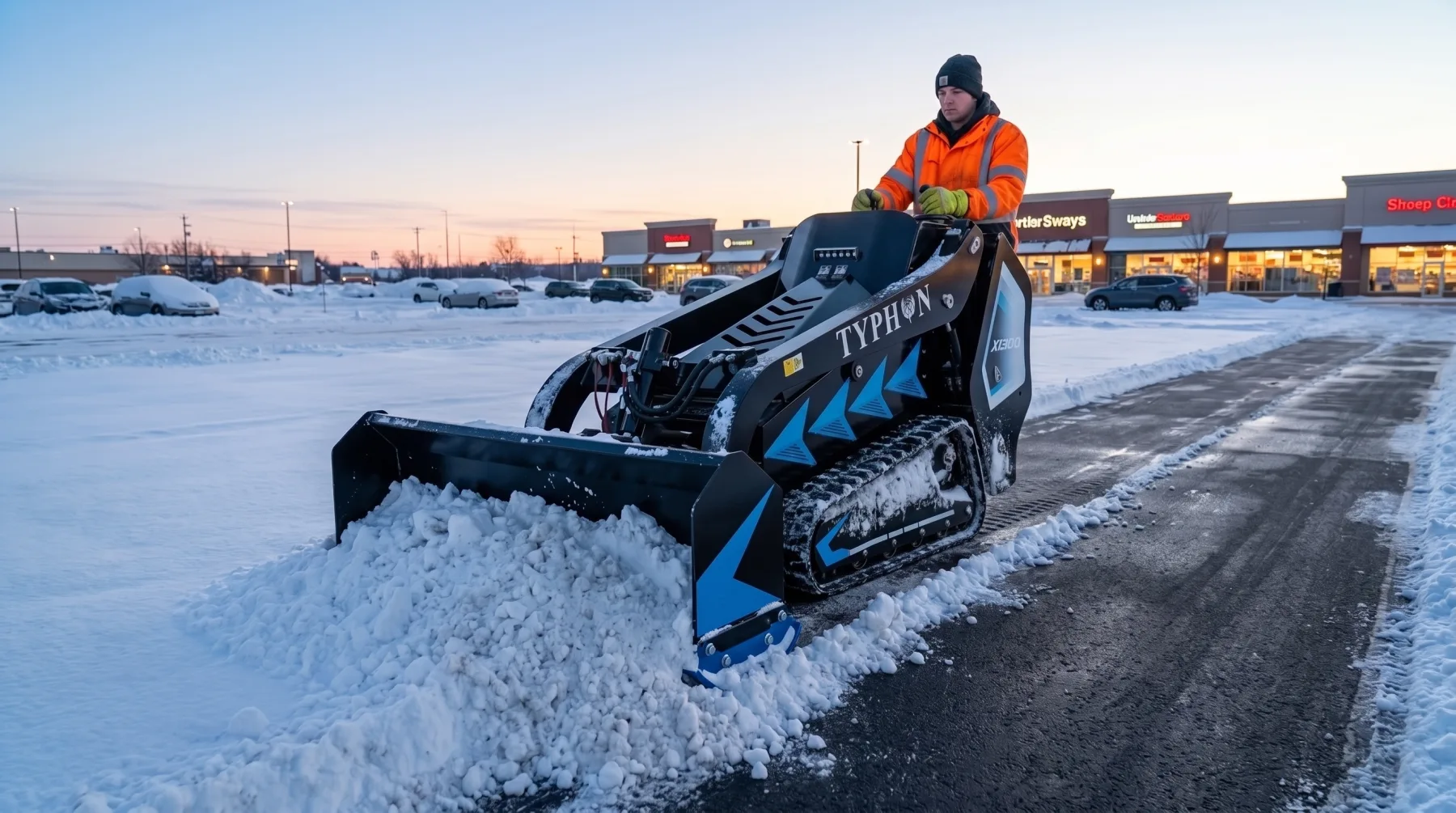
takeaway: One operator clears in an hour what a shovel crew couldn’t finish before noon.
4. Demolition Cleanup
After a demolition or renovation project, the site is often covered with broken concrete, lumber, metal, and scattered debris. Cleaning it up by hand is time-consuming, physically demanding, and increases the risk of workplace injuries.
A skid steer with a grapple bucket or heavy-duty bucket scoops, lifts, and loads debris straight into a dump truck or container. A breaker attachment handles concrete and masonry that needs busting first.
takeaway: Cleanup that would tie up a crew for days moves in a single shift.
5. Trenching
Digging trenches for utilities, drainage, irrigation, or electrical lines by hand is slow, physically demanding, and difficult to keep straight or at a consistent depth. Uneven trenches often require extra time and effort to correct before installation can begin.
A skid steer with a trencher attachment cuts clean, uniform trenches for pipe, cable, and drainage at a steady grade. Match the chain depth and width to your line, and the work goes fast.
takeaway: A long trench run that would take a full day of digging finishes in an hour or two.
6. Material Hauling
Moving gravel, soil, sand, mulch, and other materials by wheelbarrow is one of the most time-consuming tasks on any jobsite. Each load requires multiple trips, slowing progress, increasing physical strain, and taking valuable time away from more important work.
A skid steer with a standard or high-capacity bucket carries heavy loads across rough ground in one pass. Pallet forks handle bagged material, block, and packaged supplies with ease.
takeaway: Dozens of wheelbarrow trips collapse into a handful of quick bucket loads.
7. Fence Post Drilling
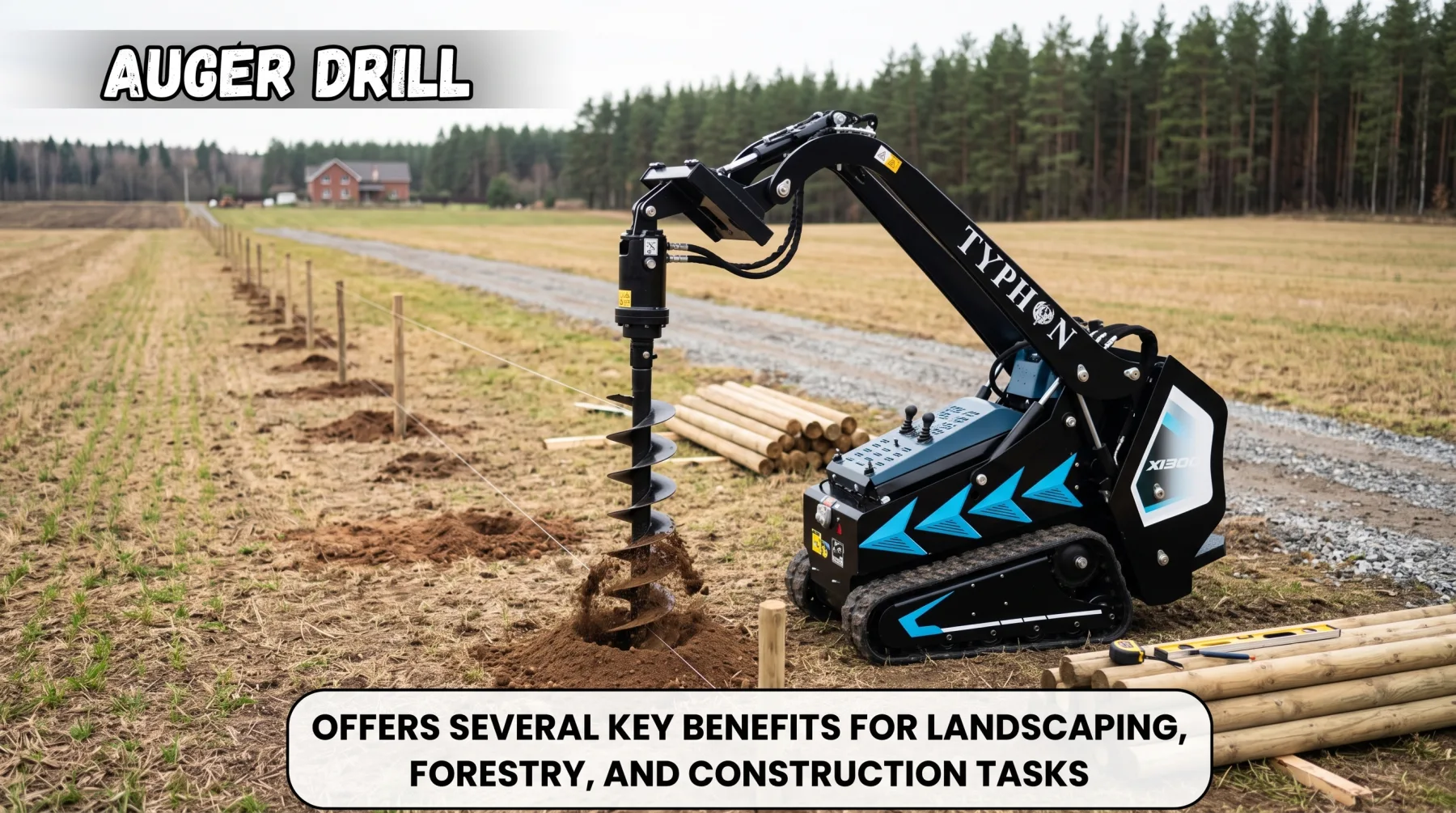
Digging post holes by hand for fences, decks, signs, or trees is slow, physically demanding, and difficult to keep evenly spaced and at a consistent depth. On larger projects, the extra labor and time can quickly delay the entire installation.
A skid steer with an auger attachment drills clean, uniform post holes in seconds, matching the bit size to your posts. It powers through hard, rocky, and compacted ground that stops a hand auger cold.
takeaway: A fence line that would take a full day of manual digging drills out in a fraction of the time.
8. Brush and Vegetation Removal
Reclaiming overgrown fence lines, ditches, trails, and field edges by hand is time-consuming and physically demanding. Thick brush, weeds, and small trees quickly take over these areas, making it difficult to keep the property clean and accessible with manual tools alone.
A skid steer with a rotary cutter or flail mower clears tall grass, brush, and light saplings quickly. For roots and stubborn growth, a grapple or root rake pulls it out clean.
takeaway: Steady mechanized passes reclaim in hours what hand tools stretch across days.
9. Livestock Area Cleanup
Mucking out pens, barns, stalls, and paddocks by hand is one of the most labor-intensive and unpleasant chores on any livestock property. Shoveling manure and soiled bedding takes significant time and effort, especially when caring for multiple animals or larger facilities.
A skid steer with a manure fork, bucket, or grapple clears waste, bedding, and debris from pens and barns fast. It loads straight into a spreader or trailer, cutting out the shovel-and-wheelbarrow slog entirely.
takeaway: Daily and seasonal cleanup that eats hours by hand wraps in minutes per pen.
10. Pallet and Supply Moving
Staging materials, unloading deliveries, and moving supplies around a busy jobsite by hand is slow, physically demanding, and inefficient. Repeated lifting and carrying not only reduce productivity but also increase worker fatigue and the risk of injuries.
A skid steer with pallet forks lifts and moves pallets, block, lumber, and packaged goods across the site and onto racks or trucks. Its tight turning radius makes it ideal for confined yards and staging areas.
takeaway: One operator stages and moves loads that would take several workers hauling by hand.
Conclusion
A skid steer loader earns its place by turning slow, labor-intensive work into fast, efficient jobs you can complete on your own schedule. Whether you’re clearing land, grading driveways, drilling fence posts, hauling heavy materials, cleaning livestock pens, or handling construction debris, one machine paired with the right attachments can replace multiple pieces of equipment and significantly reduce manual labor. The result is higher productivity, lower labor costs, and projects that stay on schedule without sacrificing quality.
To get the greatest return on your investment, choose a skid steer and attachment combination that matches the work you perform most often. The right machine will eliminate bottlenecks, save valuable hours, and deliver dependable performance across a wide range of tasks. If you’re ready to work smarter, evaluate which jobs consume the most time and explore the attachments that can make them more efficient. A trusted equipment specialist can help you select the ideal skid steer size, hydraulic configuration, and attachments to ensure your machine is ready to handle every project with confidence.
Frequently Asked Questions
Are wheeled or tracked skid steers better for these jobs?
It depends on your ground. Wheeled skid steers move faster on hard, paved, or firm surfaces and cost less to maintain, making them a strong pick for lots, yards, and finished sites. Tracked models spread weight over a larger footprint, giving better flotation and traction on mud, sand, snow, and soft or uneven terrain. If you work across mixed or wet ground, tracks usually earn their keep.
How do quick-attach systems work, and do they save real time?
Quick-attach (or quick-coupler) systems let you swap attachments in under a minute without leaving the cab on many machines. You line up the mounting plate, tilt to engage, and lock the pins, then reconnect hydraulics for powered attachments. Yes, they save real time. On a job that shifts from grading to hauling to drilling, fast changeovers keep the machine working instead of sitting idle between tasks.
What size skid steer do I need for these tasks?
Match the rated operating capacity to your heaviest and most frequent job. Small-frame skid steers suit tight sites, light material handling, and lawn-friendly work. Medium-frame machines cover the widest range of grading, hauling, and attachment-driven tasks for most contractors and landowners. Large-frame units handle heavy demolition, high-capacity loading, and demanding attachments. Also confirm the machine’s hydraulic flow meets the needs of powered attachments like mulchers and trenchers.
Do I need high-flow hydraulics to run these attachments?
For some, yes. Standard-flow hydraulics power simple attachments like buckets, forks, and augers just fine. But demanding tools such as mulching heads, cold planers, large trenchers, and snow blowers often require high-flow hydraulics to perform at full capacity. Before buying an attachment, check its flow requirement against your machine’s rating so you get the productivity you’re paying for.
How can I get the longest life out of my skid steer across all these jobs?
Stick to a simple maintenance routine. Check fluids, tires or tracks, and hydraulic connections daily, and clear debris from the cooling system and undercarriage after dusty or muddy work. Grease pivot points on schedule, inspect attachments for wear, and follow the manufacturer’s service intervals for filters and fluids. Consistent upkeep prevents downtime, protects your investment, and keeps every attachment running at full strength.