

Purchasing heavy machinery is a major milestone for any growing construction business. It signals that your company is expanding, taking on larger contracts, and building a solid foundation for the future. However, this massive capital investment comes with significant financial risk. If you select the wrong machine, you can easily drain your working capital and stall your company’s growth.
Many new business owners approach their first major equipment purchase with enthusiasm but lack a strategic framework. They focus heavily on the initial price tag or financing terms while overlooking the practical realities of owning and operating heavy iron. This lack of experience often leads to a series of highly predictable, yet easily avoidable, errors.
The purpose of this guide is to protect your capital and ensure your first heavy machinery acquisition is a complete success. We will explore the most frequent first-time equipment buyer mistakes, ranging from selecting the wrong size to ignoring long-term maintenance costs. By applying these authoritative construction equipment buying tips, you will navigate the purchasing process with absolute confidence.
Buying Equipment That Is Too Big or Too Small
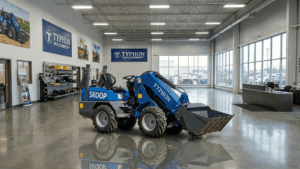
One of the most frequent errors new buyers make involves drastically misjudging the physical size and capacity of the machine they need. Choosing the right equipment requires a delicate balance. You must carefully evaluate your most common daily tasks and match the machine’s capabilities directly to those specific requirements.
The Cost of Oversizing Your Fleet
Many new contractors operate under the false assumption that bigger is always better. They purchase the largest excavator or wheel loader their credit line will allow, believing the extra power will translate into faster completion times. Unfortunately, oversized machinery often creates far more problems than it solves.
Large machines require massive amounts of diesel fuel to operate, instantly driving up your daily overhead. They also demand specialized, expensive transportation logistics, such as oversized load permits and heavy-duty lowboy trailers. If your primary work involves residential landscaping or urban utility repairs, a massive machine will simply not fit onto the job site, rendering your expensive investment completely useless.
The Danger of Undersizing Your Investment
Conversely, buying a machine that is too small to handle your workload is equally detrimental to your business. Some buyers try to save money upfront by purchasing compact equipment, hoping they can simply push the machine harder to achieve the desired results. This approach guarantees rapid mechanical failure and massive repair bills.
When you consistently push a small machine beyond its rated operating capacity, you subject the engine, hydraulic pumps, and structural steel to extreme stress. The equipment will suffer constant breakdowns, bringing your job site to a grinding halt. You will spend far more money on emergency repairs and lost productivity than you ever saved on the initial purchase price.
Ignoring Critical Technical Specifications
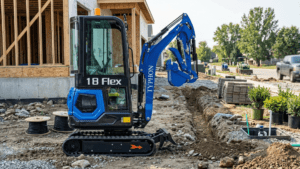
Heavy equipment is highly specialized. Manufacturers engineer different machines to perform specific tasks under specific conditions. First-time buyers often skim past the dense technical brochures, focusing only on horsepower or lifting capacity. Ignoring the deeper technical specifications is a direct path to buyer’s remorse.
Failing to Match Specs to the Job
Before signing any purchase agreement, you must understand exactly how the machine’s technical limits align with your daily operations. For example, if you frequently load high-sided commercial dump trucks, you must verify the wheel loader’s maximum dump clearance. If the clearance falls short by even a few inches, your operators cannot load the trucks effectively.
Similarly, you must evaluate the machine’s hydraulic flow rates. If you plan to use complex, power-hungry attachments like forestry mulchers or cold planers, your base machine must possess a high-flow hydraulic system. Purchasing a standard-flow machine will leave you completely unable to operate these lucrative, specialized tools.
Overlooking Transport and Storage Logistics
Many buyers focus entirely on how the machine will perform on the dirt, completely forgetting how they will get it there. You must factor the machine’s physical dimensions and operating weight into your purchasing decision. If you buy a machine that exceeds the towing capacity of your current truck and trailer fleet, you face an immediate secondary crisis.
You will be forced to either purchase a new, heavier transport vehicle or rely on expensive third-party hauling services. Additionally, you must consider where you will store the equipment securely when it is not in use. Failing to plan for the logistics of equipment ownership instantly erodes the profitability of your new asset.
Operating Without a Comprehensive Maintenance Plan
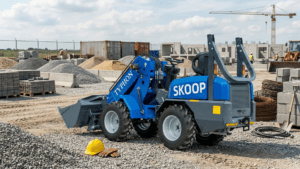
Heavy machinery requires rigorous, disciplined care to function profitably over its lifespan. A common pitfall for first-time buyers is treating a heavy excavator like a standard passenger car. They assume they can simply add fuel, turn the key, and go to work. This reactive approach guarantees catastrophic, expensive failures.
The Hidden Costs of Neglect
Construction environments are incredibly hostile to mechanical components. Abrasive dirt, extreme heat, and heavy vibrations constantly attack the machine. If you fail to implement a strict greasing schedule, the friction will quickly destroy expensive steel pivot pins and bushings.
Ignoring routine fluid and filter changes allows microscopic contaminants to circulate through the high-pressure hydraulic system. These contaminants act like liquid sandpaper, scoring internal pump components and causing severe losses in digging power. By the time the machine finally breaks down, the resulting repair bill will often exceed thousands of dollars.
Budgeting for Preventive Care
Successful contractors view maintenance as a necessary operational investment, not an optional expense. When calculating your budget for a new machine, you must include the ongoing costs of preventive care. This includes replacement filters, premium hydraulic fluids, heavy-duty grease, and the labor hours required to perform the servicing.
Establish a strict maintenance schedule based directly on the manufacturer’s recommendations. Track every service interval meticulously in a dedicated logbook. A well-documented maintenance history drastically improves the machine’s reliability and ensures it retains a high resale value when you eventually decide to upgrade your fleet.
How to Succeed in Choosing the Right Equipment
Avoiding these common pitfalls requires patience, research, and a clear understanding of your business objectives. By taking a strategic, measured approach to your acquisition, you guarantee your new machinery serves as a powerful catalyst for your company’s growth.
Assess Your Core Operational Needs
Start by conducting a brutally honest audit of your current and projected workload. Look at the contracts you have successfully completed over the past year and the bids you intend to pursue in the future. Identify the specific tasks that consume the most labor hours or require expensive rental equipment.
Write down exactly what you need the machine to do every single day. Do you need maximum breakout force for heavy excavation, or do you need extreme versatility for urban site prep? By defining your core operational requirements clearly, you instantly narrow down the vast equipment market to a few highly suitable categories.
Consult with Industry Experts
You do not have to navigate the complex world of heavy machinery alone. Build a strong relationship with a reputable, professional equipment dealer. A dedicated heavy equipment specialist wants to see your business succeed and will guide you toward the smartest investment.
Share your operational audit with the expert. Explain your typical job site conditions, your hauling capabilities, and your long-term growth goals. A true professional will help you interpret complex technical specifications and match you with a machine that perfectly balances power, agility, and cost-effectiveness.
Conclusion
Securing your first piece of heavy equipment is a thrilling step forward for your contracting business. By recognizing and avoiding common first-time equipment buyer mistakes, you protect your hard-earned capital and set your crew up for immediate success. Never rush the process or let the excitement of a new purchase override sound business logic.
Remember that choosing the right equipment involves far more than simply comparing price tags. You must carefully size the machine to your most frequent tasks, scrutinize the technical specifications to ensure compatibility, and build a robust financial plan for long-term preventive maintenance.
Take a moment this week to review your company’s immediate operational needs and outline your available budget. Use these construction equipment buying tips to create a strict checklist of requirements for your new machine. When you approach the market with a clear strategy and a firm understanding of your goals, your first equipment purchase will deliver a powerful, highly profitable return on investment for years to come.