

Construction projects rarely take place on perfectly paved ground or solid rock. In many cases, operators must work on mud, loose sand, or marshy terrain to complete the job. In these challenging conditions, engine power alone is not enough to ensure smooth operation. What truly determines productivity is how well the machine interacts with the ground beneath it.
A major factor in this interaction is how the machine’s weight is distributed. When heavy equipment concentrates too much weight on a small area, the ground may not be able to support it properly. This can cause the machine to sink, lose traction, or become difficult to maneuver, leading to delays and reduced efficiency on the job site.
Understanding ground pressure and weight distribution is essential for maintaining performance in soft soil conditions. In this blog, we will explore how these factors affect machine efficiency, why choosing the right equipment matters, and how operators can improve traction and stability across challenging job sites.
What Is Ground Pressure in Heavy Machinery?
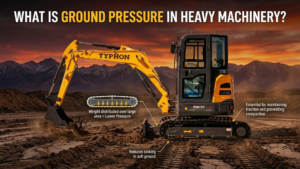
Ground pressure is a fundamental engineering concept that measures the weight of a machine spread across its contact area with the earth. We calculate this metric by dividing the total operating weight of the equipment by the surface area of its tires or tracks touching the ground. The resulting number, usually expressed in pounds per square inch (PSI), tells us exactly how heavily the machine presses down on the soil.
A massive machine can actually have low ground pressure if its weight is distributed over a very large undercarriage. Conversely, a lighter machine with narrow tires can exert high ground pressure, causing it to sink rapidly into the earth. The relationship between weight and surface area dictates the machine’s ability to float over loose materials.
Understanding ground pressure in heavy machinery is absolutely essential for equipment owners and operators. It directly determines whether your excavator will glide smoothly over a muddy field or bury itself up to the axles. Managing this specific metric is the first step toward maintaining a safe, productive, and efficient job site.
The Challenge of Soft Soil Environments
Soft soil environments present unique hazards that test the mechanical limits of your heavy fleet. Mud, loose sand, and recently excavated dirt lack the structural integrity to support highly concentrated heavy loads. When a machine applies too much pressure to these fragile surfaces, the soil simply shears and displaces.
This displacement offers no solid resistance for the equipment to push against. This lack of structural resistance immediately compromises your machine’s efficiency on soft soil. The equipment must work twice as hard just to move forward, draining diesel fuel and stressing the entire hydraulic system.
If the soil gives way completely, the machine becomes stuck in deep ruts. This halts your entire operation and requires costly, time-consuming recovery efforts from other machines. Recognizing the physical limitations of your job site terrain remains a crucial aspect of professional project planning.
How Ground Pressure Dictates Machine Efficiency
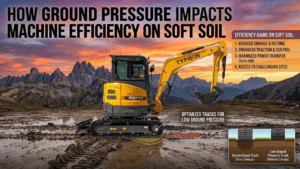
The relationship between ground pressure and operational efficiency is direct, immediate, and measurable. When equipment operates with optimal ground pressure, it stays on top of the surface. This mechanical “flotation” effect allows the engine and hydraulic pumps to direct their power toward actual productive work, such as digging a trench or lifting heavy pipes.
When a machine sinks, a significant portion of its horsepower is wasted just trying to overcome the massive resistance of the surrounding dirt. This wasted energy translates directly into slower cycle times and plummeting site productivity. Your skilled operators spend more time fighting the rugged terrain than they do moving profitable material.
Furthermore, the constant struggle to maneuver through deep mud places immense strain on the undercarriage and final drive motors. High ground pressure leads to accelerated wear on these highly expensive components, driving up your routine maintenance costs. By prioritizing equipment with appropriate ground pressure, you protect your profit margins and ensure steady daily progress.
Achieving Optimal Traction and Stability
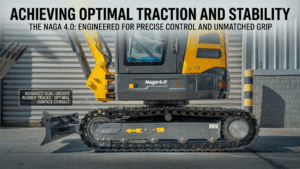
Traction and stability are two critical factors that directly affect safety and performance on a construction site. Traction depends on the friction between a machine’s tracks or tires and the ground beneath it. When working on soft soil, excessive ground pressure can break this friction, causing the tracks or tires to spin instead of gripping the surface.
Spreading the machine’s weight across a larger surface area helps reduce the stress placed on the soil. This allows steel grousers or rubber treads to grip the ground more effectively without tearing through it. As a result, the machine can push, pull, and move heavy loads with greater control.
Stability is just as important. If a machine sinks unevenly on soft terrain, it can quickly become a tipping risk, especially when lifting heavy materials. A wider, low-pressure footprint helps keep the equipment balanced, improving safety for operators while protecting both the machine and the materials being handled.
Environmental Protection and Soil Compaction
Managing ground pressure is not just about keeping the machine moving; it is also about protecting the environment you work within. High ground pressure severely compacts the soil beneath the machine. This compaction crushes the natural pores in the earth, destroying vital root systems and preventing proper water drainage.
For landscaping contractors, agricultural workers, and golf course maintenance teams, soil compaction ruins the very land they intend to improve. Deep ruts and crushed soil require extensive, expensive remediation work after the heavy lifting is complete. This adds unexpected costs and delays to the final project handover.
Machines engineered with low ground pressure navigate these sensitive areas without leaving a destructive trace. They preserve the structural health of the soil, ensuring that water flows properly and vegetation can thrive. Choosing the right footprint demonstrates a professional commitment to high-quality, environmentally conscious site management.
Undercarriage Design: Tracks Versus Tires
The specific choice between wheeled and tracked equipment heavily influences your overall ground pressure management strategy. Wheeled machines transfer their entire operating weight through four relatively small rubber contact patches. This naturally concentrates the downward force, making wheeled loaders and excavators highly prone to rutting and sinking in soft conditions.
Tracked undercarriages, however, are specifically designed to excel in these difficult, unstable environments. A track assembly lays down a continuous, wide path of steel or rubber for the machine to roll across. This massive surface area drastically lowers the overall ground pressure of the unit.
For projects located in swamps, loose beach sand, or persistent seasonal mud, tracked machines are the undisputed champions of efficiency. They provide the necessary flotation to keep your crew working when wheeled machines would simply spin out.
Strategies for Effective Ground Pressure Management
At Typhon Machinery, they engineer their heavy equipment to conquer the most unforgiving environments with absolute confidence. We understand that our professional customers need reliable performance regardless of the soil conditions beneath their tracks. Our compact excavators feature meticulously designed undercarriages that optimize weight distribution and maximize flotation.
Take our TYRANT line of compact mini excavators as a prime operational example. We pair our powerful hydraulic systems with exceptionally wide, highly durable rubber tracks. This specific engineering choice ensures exceptionally low ground pressure across the entire machine footprint.
This intelligent design allows our operators to navigate sensitive residential landscapes, damp backyards, and muddy commercial construction sites without tearing up the turf or sinking into the mud. We build our machines to provide superior traction and stability in construction equipment, empowering you to work confidently anywhere. When you invest in Typhon Machinery, you invest in rugged equipment that respects the terrain while delivering unrelenting power.
Conclusion
Ground pressure is far more than just a technical specification listed in an operational manual. It is a critical performance factor that dictates the ultimate success and profitability of your earthmoving projects. By understanding how weight distribution directly interacts with soft soil, you can prevent costly downtime, reduce severe equipment wear, and maintain a safe working environment.
Prioritizing low ground pressure ensures that your machinery translates its expensive horsepower into productive labor rather than a frustrating struggle against the mud. Assess your typical job site conditions carefully before expanding your operational fleet. Choosing the right footprint is a strategic business decision.
If you frequently encounter soft, challenging terrain, it is essential to evaluate your current equipment capabilities. Assess your fleet for ground pressure suitability and consider equipment with features designed for low-impact operation. Consulting with industry experts and thoroughly researching available options can help you select machinery that is well-balanced, efficient, and reliable for your specific operational requirements.