

Buying heavy machinery is one of the biggest financial moves you will make in your contracting business. The wrong decision can lock up your cash and hurt your profits with unexpected downtime, while the right machine can boost your team’s productivity, speed up projects, and add real long-term value to your company.
One of the biggest challenges contractors face is deciding whether to buy new, go for a reliable used machine, or simply rent for short-term needs. There is no one-size-fits-all answer—it all comes down to your workload, cash flow, and where you want your business to go in the future.
In this guide, we break everything down clearly and practically. You will see the real pros and cons of each option and learn how to choose the best path based on your situation, so every equipment decision you make supports stronger profits and steady growth.
The Heavy Equipment Acquisition Dilemma
Expanding your fleet requires a highly strategic approach. Many contractors simply default to the acquisition method they have always used, completely ignoring changing market conditions. This blind loyalty severely limits your company’s growth potential and profit margins.
You must evaluate every single machine based on its projected utilization rate. If a machine will run every single day on your job sites, ownership makes clear financial sense. If you only need a specialized tool for three weeks out of the entire year, ownership becomes a massive financial burden.
Understanding the precise differences between new vs used heavy equipment and commercial rentals protects your bottom line. Let us examine the three primary paths to securing the machinery your crew needs to succeed.
Buying New Heavy Equipment: Maximum Reliability and ROI
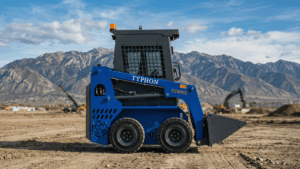
Purchasing brand-new machinery provides the ultimate peace of mind. You receive a flawless machine directly from the factory, entirely free from hidden mechanical abuse or neglected maintenance.
When you buy new, you gain immediate access to the latest technological advancements in the construction industry. Modern machines feature highly efficient engines that burn significantly less diesel fuel. They also include advanced telematics systems that track operator performance and prevent catastrophic mechanical failures.
Pros of Buying New
The best thing about buying new equipment is that it comes with a full factory warranty. If a major hydraulic pump breaks down in the first year you own it, the manufacturer will pay for all of the repairs. With this warranty, you won’t have to worry about getting unexpected repair bills that ruin your budget.
Also, new equipment makes the job site as reliable as possible. Your operators can push the machine to its limits without worrying that old parts will break under pressure. This level of dependability makes sure that you always finish your contracts on time, which protects your professional reputation and gets you more client referrals in the future.
Lastly, new machines are very good for getting financing. To get rid of their old stock, dealerships often offer big discounts and zero-percent financing deals. These good loan terms make it easy to know how much you’ll have to pay each month.
Cons of Buying New
The primary drawback of purchasing new equipment is the massive upfront capital requirement. Even with excellent financing, you must provide a substantial down payment. This initial cash outlay significantly reduces your available working capital for other business operations.
Additionally, new heavy machinery suffers from rapid initial depreciation. The moment you drive a brand-new wheel loader off the dealership lot, it loses a massive percentage of its resale value. If you suddenly lose a major contract and need to sell the machine six months later, you will take a severe financial loss.
When Buying New Makes the Most Sense
Buying new makes the most sense for core, high-utilization machines. If your business focuses entirely on utility trenching, you need a brand-new excavator that runs flawlessly every single day. You should buy new when you have guaranteed, long-term contracts that easily cover the monthly finance payments.
Buying Used Heavy Equipment: Cost-Effective Ownership
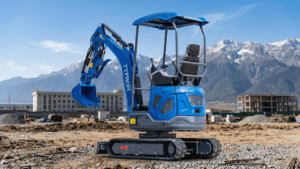
For many growing contractors, buying used equipment strikes the perfect balance between outright ownership and capital preservation. The secondary market offers incredible opportunities to secure premium, reliable brands at a fraction of their original retail price.
When you learn how to evaluate used machinery properly, you build a massive, highly capable fleet without taking on crushing commercial debt.
Pros of Buying Used
The absolute greatest advantage of buying used equipment is avoiding the brutal initial depreciation hit. The first owner absorbs that massive financial loss for you. Because the machine has already depreciated, it holds its remaining value much better over the next five years.
Buying used also requires significantly less upfront capital. You can often purchase two high-quality used skid steers for the exact same price as one brand-new model. This strategy drastically expands the physical capabilities of your crew and allows you to tackle multiple job sites simultaneously.
Cons of Buying Used
The secondary market inherently carries massive mechanical risks. You do not always know the machine’s true history. The previous owner might have ignored critical preventative maintenance intervals or pushed the machine far beyond its safe operating limits.
Used equipment typically lacks comprehensive warranty coverage. When a transmission fails on a used bulldozer, your company absorbs the entire repair cost. Furthermore, older machines burn more fuel and lack the advanced operator comforts found in newer models, which can slightly increase operator fatigue.
When Buying Used Makes the Most Sense
Purchasing used equipment makes perfect sense for secondary support machines. If you need a wheel loader strictly to load mulch in your storage yard twice a week, a reliable used model fits the bill perfectly. Always hire an independent, certified diesel mechanic to perform a thorough fluid analysis and physical inspection before you sign a purchase agreement.
Renting Construction Equipment: Ultimate Flexibility
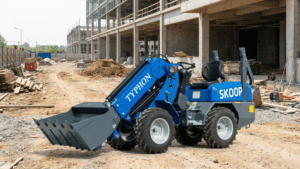
The commercial rental market completely changes how modern contractors bid on complex projects. Renting allows you to secure highly specialized, expensive machinery for a fraction of the ownership cost.
When you face the buy vs rent construction equipment dilemma, you must carefully calculate your exact timeline. Renting removes the burden of long-term commitment, giving you total operational flexibility.
Pros of Renting
Renting eliminates all long-term storage and maintenance responsibilities. When the machine breaks down on your job site, you simply call the rental yard. They dispatch a mobile mechanic or deliver a replacement machine immediately, ensuring your project timeline never stalls.
Furthermore, renting allows you to match the exact machine perfectly to the specific job. You never have to force an undersized excavator to dig a massive foundation simply because it is the only machine you own. You just rent the massive 30-ton excavator for that specific week, complete the heavy digging, and return it.
Rental expenses also offer clean, simple accounting. You can tie the exact cost of the rental directly to the specific project bid. This guarantees you maintain your desired profit margin without worrying about long-term depreciation calculations.
Cons of Renting
The most obvious drawback to renting is the exceptionally high daily or weekly cost. If you rent a machine for several consecutive months, you will eventually pay more in rental fees than the machine is actually worth.
Rental yards also operate on a first-come, first-served basis. During the busy summer construction season, the exact machine you desperately need might be entirely booked out by your competitors. This lack of guaranteed availability can severely delay your project start. Finally, renting builds absolutely zero equity for your business.
When Renting Makes the Most Sense
You should always rent highly specialized equipment that you rarely use. If you land a single contract that requires a massive cold planer to remove asphalt, rent the machine. Renting also serves as the perfect strategy for testing a new equipment brand before committing to a massive, long-term purchase.
Buy vs Rent Construction Equipment: Making the Financial Choice
Ultimately, you must base your acquisition strategy on strict, unemotional data. Industry experts rely heavily on the utilization rule to make this decision.
If you plan to use a piece of heavy equipment for more than 60 to 70 percent of your working year, ownership proves far more profitable. The revenue generated by the machine easily covers the finance payments, insurance, and routine maintenance.
If your projected utilization falls below 40 percent, renting remains the safest financial strategy. You protect your working capital, avoid massive storage costs, and eliminate the stress of maintaining a machine that rarely generates revenue.
Conclusion
Choosing the right machinery plays a huge role in the long-term success and profitability of your contracting business. By now, you have a clearer understanding of how to navigate the buying process and weigh your options between new equipment, used machines, and rentals. When you take the time to evaluate each choice carefully, you make sure that every dollar you invest is working toward growing your business, not holding it back.
It is important to look ahead and plan based on your actual workload. Think about the jobs you handle most often and focus on owning equipment that supports those daily tasks reliably and efficiently. For more specialized or occasional work, renting can be a smart way to stay flexible without tying up too much capital.
In the end, smart equipment decisions come down to being intentional and data-driven. When you align your purchases with your real needs and long-term goals, you build a strong, dependable fleet that keeps your projects moving smoothly and puts your business in a position to take on bigger opportunities with confidence.